
Last Updated on June 10, 2026 by Ruth
Spiritual abuse can be very hard to spot and even harder to talk about. If you’re worried that someone you know is being spiritually abused, there are ways you can help. You don’t have to fix everything. Just showing care can make a big difference.
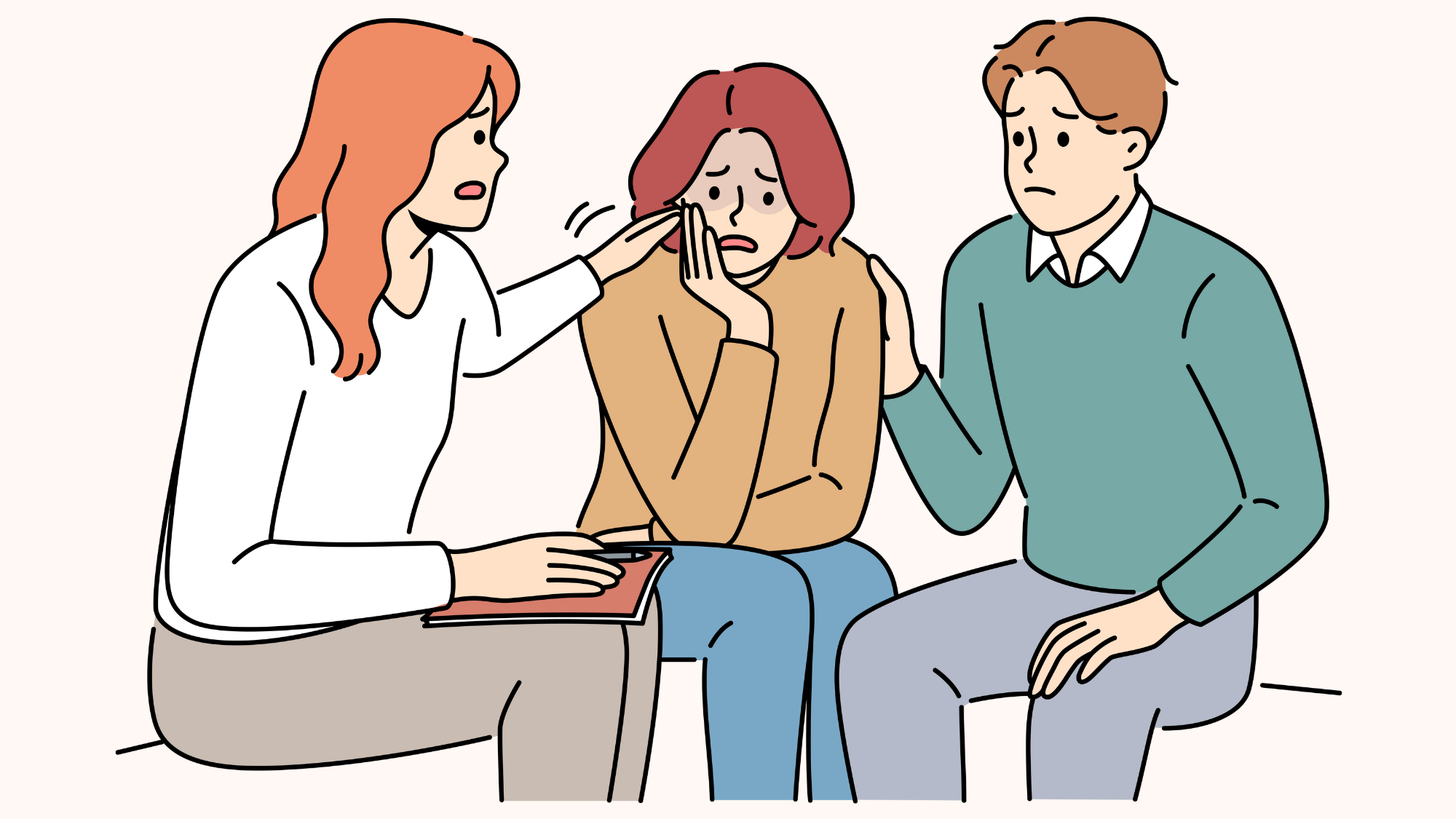
When someone talks to you about abuse
If someone trusts you enough to tell you about spiritual abuse:
- Listen kindly and carefully.
- Say thank you. It takes a lot of courage to speak up.
- Let them know you believe them.
Don’t:
- Blame them.
- Make it about how you feel.
- Tell them what they should do next.
When you notice something is wrong
Sometimes you might see signs of abuse, but the person hasn’t said anything. This is tricky.
Don’t try to talk to them about it directly.
- They may not be ready
- They might not have the words to describe what is happening
- They might believe that what is happening is ok, because of indoctrination
- They might be scared of spiritual, physical or social punishment
- It could put them at risk
Instead, follow the steps below to support them safely.
Is there immediate danger?
If someone is in danger right now, call 999.
If you’re worried about a child or a vulnerable adult, contact social services or the NSPCC for a child.
Should you report it?
In some faith communities, reporting abuse can be complicated. Ask yourself:
- Has the person given you permission to report? In England and Wales, if they are an adult and haven’t said yes, you usually shouldn’t report it—unless they are under 18, a vulnerable adult, or at risk of significant harm. This might be different in other countries, so check what the guidance says for your area online.
- Is the safeguarding team in the group safe to talk to? Sometimes people in charge may be under the control of the abuser. If that’s the case, you might want to report it to an organisation outside the group.

If you’re unsure, get advice from outside the group. Check the Get Help for Spiritual Abuse page for trusted organisations.
Learn more about spiritual abuse
To support someone well, it helps to understand what’s happening. These pages may help:
- Spiritual Abuse Explained: What It Is and How to Recognise It
- Examples of Spiritual Abuse: Learn to Spot the Signs
- What Is Indoctrination? How Spiritual Abuse Can Change How You Think
- From Healthy to Harmful: Where Is The Line?
Show you’re there for them
Abusers often try to cut people off from others. Even if your friend hasn’t talked to you about the abuse, you can still show that you care.

- Be kind.
- Give small compliments.
- Smile.
- Check in now and then.
These little things can help someone feel safe with you. It can remind them that they are important and worth respect. Sometimes being treated with kindness can help someone realise how badly they are being treated in other relationships. It can be a huge step to helping someone feel safe to share.
Abuse often gets worse over time. If things reach a level that your friend can’t handle, or if they come to a place where they are ready to talk, you have made a safe space where they can open up.
Keep evidence
If you have any proof of the abuse, keep it safe. This could be:
- Emails or texts
- Notes you write after a conversation

Sometimes spiritual abuse happens with other types of abuse, like:
- Sexual abuse
- Physical violence
- Domestic abuse
- Financial control
If you notice these, try to gather evidence—but only if it’s safe and the abuser doesn’t find out.
If they ask for help
When someone wants support but isn’t ready to leave:
- Agree on a secret word they can use if they need help fast.
- Suggest they contact a support organisation (see the Get Help for Spiritual Abuse page).
- Keep in touch—regular calls or meetups can mean a lot.

If someone is ready to leave:
- Offer to go with them to appointments.
- Help them find safe housing—like a women’s refuge if needed.
- Help them make new friends and find new communities.
- Keep checking in and being there emotionally.
Only help as much as you can. It’s okay to set limits. You matter too.
If they want to report it
If they want to take formal action:
- Help them write down what happened.
- Gather evidence together.
- Help them write emails or letters.
- Go to meetings with them if they want support.
- Let them talk about how it’s affecting them.
Take care of yourself
Helping someone through abuse can be hard. You might be faced with things that are upsetting. If you are also part of the group, it can make you question a lot of people you trusted and affect how safe you feel yourself.
Ask yourself:
- Who supports me?
- Am I still doing things I enjoy?
- Do I need boundaries so I don’t feel drained?
- How do I deal with my feelings?

You might feel something called vicarious trauma—this is when hearing about someone else’s pain affects you deeply. If that happens, get support from a friend, a counsellor, or a group from the Get Help for Spiritual Abuse page.
Be kind to yourself too.
What you’re doing matters
Supporting someone through spiritual abuse is important work. You are helping them get free from shame and control. Even small acts of kindness can help someone feel strong enough to leave and start again.
As someone who has been through it, I can tell you—it really makes a difference.
Thank you.
