
Last Updated on June 10, 2026 by Ruth
How to heal from indoctrination: taking back your mind
Have you ever been told what to think, how to feel, or what to believe—so often and so strongly—that you stopped trusting yourself?
That’s a process called indoctrination, and when it happens inside a spiritual or religious group, it is muddled in with something very harmful called spiritual abuse.
But it is possible to heal from indoctrination.
Spiritual abuse is when someone uses religious ideas to control you. It’s not okay, and if it happened to you, I want you to know: it wasn’t your fault, and you can heal. To learn more about spiritual abuse, visit the post Spiritual Abuse Explained: What It Is and How to Recognise It.
Let’s walk together through how to gently start recovering from indoctrination. This guide is for people who have been hurt by controlling beliefs and want to feel free again.
What is indoctrination?
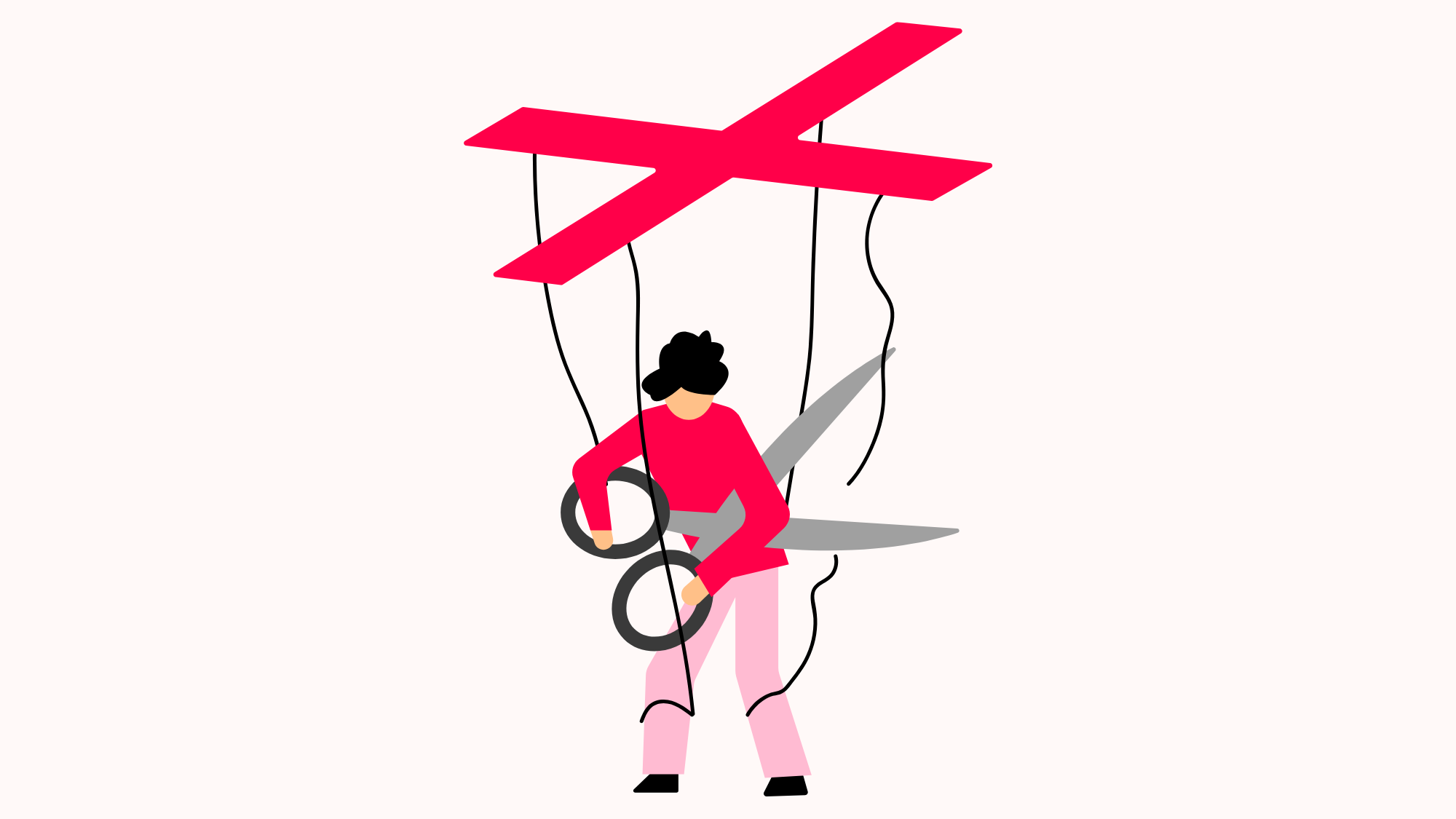
Indoctrination is when people try to control your thoughts and beliefs without letting you think for yourself.
Sometimes, this comes with scary messages like, “You’ll be punished if you ask questions,” or, “You’re not good enough to think for yourself.” That’s not how belief should work. Everyone has the right to explore, learn, and choose what feels true to them.
To learn more about how indoctrination works, check out this post: What Is Indoctrination? How Spiritual Abuse Can Change How You Think
When we are “out”, but our minds are “in”
Even after leaving a controlling group, your mind might still hold on to some of their messages. You might believe things like:
- “I’m not a good person.”
- “I need someone powerful to save me.”
- “The world is a scary place.”
- “If I’m not perfect, something bad will happen.”

These thoughts might have come from certain teachings, songs, emotional moments or frightening events like exorcisms during your time in the group.
These beliefs can make us:
- feel ashamed or scared
- think we don’t deserve good things
- fall into dangerous situations again
- feel sad and hopeless
Sometimes, we don’t even know these beliefs are still in us. But they can affect how we see ourselves and the world around us.
To read more about how spiritual abuse impact us, check out these posts:
- Why Spiritual Abuse Stays With Us: The Long-Term Effects
- Does Spiritual Abuse Cause Trauma? Understanding the Impact
Learning to “chew over” our beliefs
Gillie Jenkinson, an expert in healing from indoctrination, describes beliefs like food. Imagine you gobbled down a big meal without chewing. That food would sit heavy in your stomach and could make you feel sick.
In the same way, beliefs we took in without thinking about them can leave us feeling confused, sad, or scared.
Now, it’s time to chew. That means thinking about the beliefs we were given and deciding if we still want to keep them. Some parts might be helpful and kind. Others might feel wrong now and need to go.

This process is called critical thinking. It’s a skill that helps you become a strong, thoughtful, and kind person.
Is this the right time to heal from indoctrination?
It’s important to think about your beliefs only when you feel safe. If you are having problems finding a safe home or getting enough money, now might not be the best time. If your life is very stressful, it’s okay to wait until things are calmer to start healing from indoctrination.
The most important thing is that you can live your life now. If thinking about your beliefs makes things harder, it’s better to wait.
To find out more about why this is, check out How to Heal from Spiritual Abuse: A Step-by-Step Recovery Guide.
Go slow and take care
Thinking about our old beliefs can feel scary. That’s okay.
You might feel like your world is shaking a little. Or you might suddenly remember a painful moment from the past. If that happens—pause. Take a break. You’re allowed to step away and come back later. You can always visit the Help for When You Feel Overwhelmed: Getting Through Hard Moments page.
Before you even start, make a list of things that help you feel safe. That might be:
- hugging a pillow,
- listening to your favourite music,
- walking in nature,
- eating a favourite snack,
- calling a kind friend or family member.

You can also try thinking of yourself as a brave adventurer! You’re going on a quest to find out what you truly believe. You are strong. You are in charge now.
Step 1: Let’s begin
Start by writing down some things you believe about:
- yourself,
- other people,
- the world,
- and any spiritual or religious ideas you still think about.
Now, go through the list. For each belief, ask yourself:
- Do I really believe this?
- Does this feel true in my heart?
- Is this something I want to keep believing?
Use symbols if it helps:
- “Yes, I believe this” could be a tick or a smiling face
- “I’m not sure” could be a question mark or a thoughtful face
- “Nope, I don’t believe this anymore” could be a cross or a frown.
Take your time with this. If you start to feel a bit foggy or tired, it’s alright to take a break and come back to it another time.
Step 2: Saying goodbye to harmful beliefs
Look at the beliefs you marked with a cross. These are the ones that don’t fit you anymore. Let’s do something about them!
Take a piece of paper and draw two columns:
| Belief I’m Letting Go | New, Kinder Belief |
|---|---|
| “I can’t trust myself” | “I am learning skills to protect myself and make good choices” |
| “I will be punished if I don’t get things right” | “Everyone makes mistakes, and it’s ok to get things wrong sometimes” |
You get to choose new beliefs that feel peaceful, safe, and true for you.
To help these new beliefs sink in:
- write them down and stick them where you’ll see them,
- say them to yourself often like kind little reminders,
- carry it with you in your pocket

You could also spend time focusing on how the beliefs make you feel, to help you really feel safe in your new reality. As you think about your new beliefs:
- what feelings do you notice in your body?
- do any images come to mind?
- are there any colours which feel like they are connected to the belief?
- doodle or create something to show how it makes you feel.
When it feels familiar (and triggering)
Sometimes, this work feels like what the group made you do before. Maybe they made you repeat messages over and over. Maybe they told you to put certain phrases around your room so that you would see them often.
That might make this healing work feel weird or uncomfortable.
Here’s the difference: Now, YOU are in charge. You get to choose what to believe. You get to decide what feels right. You’re not being controlled—you’re being curious, creative, and compassionate towards yourself.
Step 3: What about beliefs I’m not sure about?
Not all your old beliefs will be easy to say yes or no to. You will have marked some with a question mark.
That’s okay! It just means you’re still exploring. Maybe it feels like there is something true about it, but it needs to be tweaked. Maybe it makes sense in your head but not your heart – or the other way around.

This is a chance to go on a quest for information! When we aren’t quite sure what we believe about something, we can look for more information to help us decide what we think. Ask yourself:
- What do I want to learn about this?
- Who can I trust to talk to?
- Where can I look for more helpful ideas?
When thinking feels scary
Sometimes, we might have been told not to ask questions or think for ourselves.
We might think things like:
- I can’t trust myself to know what’s true.
- It’s wrong or proud to decide what to believe on my own.
- What if I make a mistake?
Sometimes, we might just feel overwhelmed or frozen when we try to think for ourselves. This might mean deep down we believe it’s unsafe, even if we don’t realise it.
That’s okay. You can try some simple exercises to help you feel calm and safe. You can stop anytime and come back later. This post might be helpful: Help for When You Feel Overwhelmed: Getting Through Hard Moments
Before you try again, it might help to think about what you’ve learned about learning! What did people teach you about learning new things or deciding what to believe?
Learning to be okay with feeling unsure
Sometimes, there might be things you never feel sure about. In real life, not everything has a clear answer. And that’s alright – it’s part of what makes life interesting!
In some groups, people say things are either right or wrong, with no in-between. But now, we are learning how to handle feeling unsure.

When you are finding it difficult, it can help to stop thinking too much and notice your body. The world around you is real and steady, and you can trust that. Try some simple exercises to help you feel calm and notice what you can hear, see, smell, and touch right now. Do what you need to feel safe.
Step 4: Feeling big emotions
As you go through this, you might feel:
- Sad that you believed something hurtful for a long time.
- Angry at the people who told you those things.
- Afraid of what it means to change your beliefs.
- Confused by new thoughts or memories.
That’s totally okay.
Go back to your safe things list that you wrote at the beginning. Talk to someone you trust. Come back to this another time. It’s ok that this journey moves slowly, and you are doing a great job by listening to what you need right now.
You might also feel some emotions that feel good. You might feel:
- relief that you are safe now
- happy that you get to think for yourself
- hopeful about your future
- excited for the adventure
You can let yourself enjoy these emotions! It is okay to give ourselves permission to feel nice things.
When real life surprises us
Sometimes we don’t know a belief is still there until something happens in real life that brings it up. Maybe you:
- realise someone else sees the world very differently,
- try something new and feel stuck or scared,
- get upset and aren’t sure why

That’s okay too. It’s just another clue on your healing path. Write down the belief, or what happened. Think about it when you’re ready. You’re not going backward—you’re discovering more and moving forwards.
You are free to be you
Recovering from indoctrination doesn’t happen all at once. It’s a journey, like a path through the forest. Sometimes you’ll rest. Sometimes you’ll see far ahead, and other times you’ll only see the next step.
But with every step, you get to feel more like your true self.
You are learning, growing, and becoming who you were always meant to be.
You are free.
You deserve kindness, support, and safety. Always.
If you need some extra support, check out the Get Help for Spiritual Abuse page.
Books I used to write this post
- Walking Free From The Trauma Of Coercive, Cultic and Spiritual Abuse, by Gillie Jenkinson
- Take Back Your Life: Recovering From Cults and Abusive Relationships, by Janja Lalich and Madeleine Tobias
- Combatting Mind Control, by Steven Hassan
For more helpful books, videos and podcasts about spiritual abuse and the road to recovery, check out the Spiritual Abuse Recovery: Helpful Resources page.
