
Last Updated on June 10, 2026 by Ruth
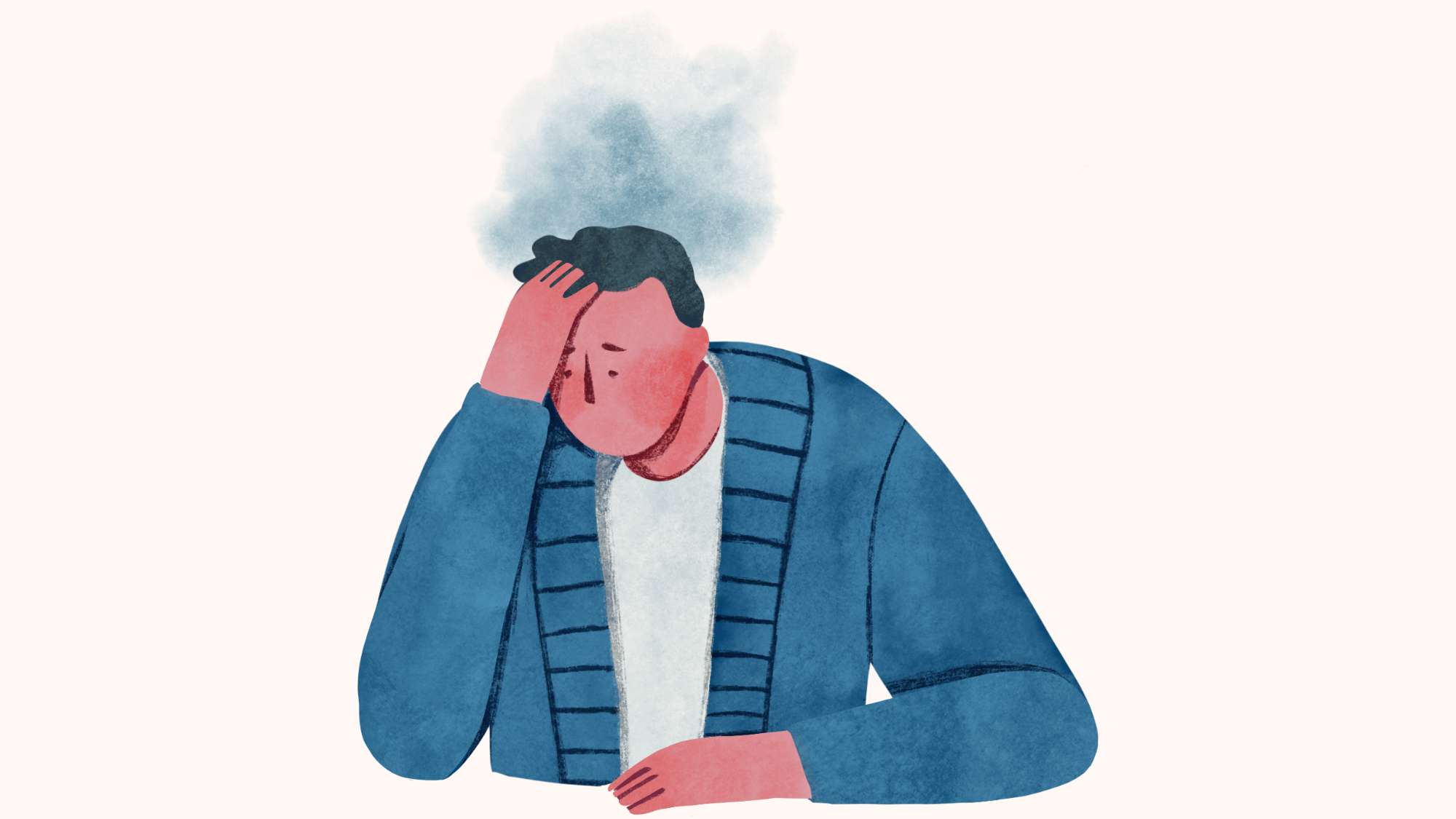
Sometimes life after spiritual abuse feels really overwhelming and hard.
We might have memories that hurt or feelings that come rushing in like a huge wave. When that happens, you might feel confused, scared, or like you just want to hide.
That’s okay. You’re not doing anything wrong. Your brain and body are just trying to protect you.
The very first thing to know is this: You are going to be okay.
Even if your heart is racing or your mind is spinning, even if everything feels too much — you will be okay. Let’s take it one step at a time.
You’ve survived before
Here are some truths to hold onto when you’re struggling:
- You’ve made it through everything that’s happened so far.
- You are not in danger right now, even if your brain feels like you are.
- Your brain might be reacting to something that reminds you of a bad time — but that time is over now.
- You will feel calm again. And when you do, you’ll be able to decide what to do next.

What if I am in danger right now?
If you are in a situation that is actually unsafe — like if someone is hurting you or threatening you — then you need to get help straight away. Here are some ways to do that:
- Call 999 or 111 (in the UK).
- Talk to someone you trust – like a friend, family member, or support worker.
- Look for a helpline or online support. You can visit the Get Help for Spiritual Abuse page to find safe organisations who might help.
You can find safety, and people will help you.
- If you are worried that you are experiencing spiritual abuse, check out this post: Am I Being Spiritually Abused? Signs, Support, and What to Do Next.
- If you are concerned about somebody else, read this: Supporting Someone Facing Spiritual Abuse: How You Can Help..
How can I tell if I’m overwhelmed?
Sometimes we don’t even notice that we’re feeling overwhelmed until our body tells us. You might notice things like:
- Feeling really scared, even when nothing scary is happening
- Feeling so tired you can’t move
- Getting super angry all of a sudden
- Feeling like you’re not really in your body
- Thinking that you don’t want to be alive anymore
If you feel like you might hurt yourself, it’s very important to get help straight away.
- Call 111
- Look up a helpline on the NHS website
- Tell someone you trust
There is always help. You don’t have to deal with these feelings alone.
What can I do to calm down?
There are lots of small things you can do when you feel overwhelmed or “triggered.” These are called grounding exercises — they help bring you back to the present and remind your brain that you’re safe.
Breathe slowly
Breathing helps tell your brain that you don’t need to panic.
- Breathe in slowly while counting to 7.
- Breathe out slowly while counting to 10.
- Try putting one hand on your chest and one on your belly. Let your belly rise and fall as you breathe.

Use your senses
Your senses (sight, smell, touch, hearing, taste) can help bring you back to now.
- Look for 5 things you can see
- Listen for 4 things you can hear
- Touch 3 things around you
- Smell 2 scents
- Taste 1 thing (like a mint or a sip of tea)

You can also:
- Run cold water over your hands
- Take off your shoes and feel your feet on the floor
- Notice the chair supporting your body
Find comfort
Let yourself feel cozy and safe.
- Wrap yourself in a soft blanket
- Hug a stuffed toy or pillow
- Pet an animal if one is nearby
- Hum or sing softly to yourself

Move your body
Moving helps your body release the built-up energy.
- Go for a gentle walk
- Shake your hands or arms
- Stand tall with your legs wide and head high — like a strong tree or a superhero

Distract yourself
Sometimes your brain needs a break.
- Watch a funny video
- Play a game or draw something
- Clean or tidy up a small space
- Tell yourself: “I’m just going to do this for 3 minutes.” That’s often enough to help you start, and then keep going for longer!

Talk kindly to yourself
Say gentle, true things to yourself out loud or in your head.
- “I’m safe now.”
- “What happened before is over.”
- “I will take care of myself.”
- “I’m doing a good job just by being here.”

Why do I feel this way?
When something reminds you of a scary or painful experience, your body might think it’s happening again — even if it’s not. This is called a trigger.
Your body might react like this to:
- A place that feels familiar (like a religious building)
- Hearing words or seeing symbols or pictures that remind you of the past
- A certain smell, sound, or taste
- Seeing someone from your past
- Having a dream or memory
- Even just thinking about something that happened
Sometimes you won’t know what triggered you — and that’s okay. You can still use the same calming tools to help you feel better. To read more about why our body gets triggered, check out this post: Does Spiritual Abuse Cause Trauma? Understanding the Impact.
What can I do about triggers?
If you figure out what triggered you, that’s helpful! You can:
- Take a break from whatever it was
- Choose not to go to certain places for a while
- Ask people not to talk about certain topics around you
- Pause emotional work and return to it when you feel stronger
This doesn’t make you weak. It means you’re looking after yourself. That’s a brave and smart thing to do.

Over time, you might become strong enough to be around those triggers without feeling scared. Maybe you’ll never want to walk into a certain place again — and that’s totally fine. But maybe you’ll get to a point where walking past it doesn’t hurt anymore. That’s healing.
Be kind to yourself
After a big wave of emotions, you might feel tired, embarrassed, or even angry at yourself. That’s understandable, but you don’t need to feel that way. It’s completely normal to get triggered sometimes after everything you’ve been through.
If you want some help learning how to be gentler with yourself, read my post: Self-Compassion for Spiritual Abuse Survivors: A Step-By-Step Guide
Make a plan for next time
You can write down what helped you today. Keep that list somewhere you can find it easily — like on your phone or in your wallet. That way, the next time you feel overwhelmed, you won’t have to figure it out all over again. You’ll already know what helps.

It can help to add some of these things to your daily routine so you feel safe and supported every day.
Try doing one helpful thing in the morning when you wake up, and one at night before bed. You can do the same thing each day, or make a list and choose from it.
Even doing something small can help you feel calmer and safer.
When you practice these things often, it’s easier to use them when you feel stressed or upset.
You’ve got this
Feeling overwhelmed doesn’t mean you’re broken. It means your body is doing its best to keep you safe. With time, kindness, and practice, things can get easier.
You are going to be okay.
Some other posts you might like:
- How to Heal from Spiritual Abuse: A Step-by-Step Recovery Guide
- Spiritual Abuse Explained: What It Is and How to Recognise It
- Why Spiritual Abuse Stays With Us: The Long-Term Effects
Books I used to write this post
- Anchored: How to Befriend Your Nervous System Using Polyvagal Theory, by Deb Dana.
- Transforming the Living Legacy of Trauma, by Janina Fisher
- 8 Keys to Safe Trauma Recovery, by Babette Rothschild
- Nurturing Resilience, by Kathy Kain and Stephen Terrell
- Becoming Safely Embodied, by Deirdre Fay
- Complex PTSD: From Surviving to Thriving, by Pete Walker
For more helpful books, videos and podcasts about spiritual abuse and the road to recovery, check out the Spiritual Abuse Recovery: Helpful Resources page.
